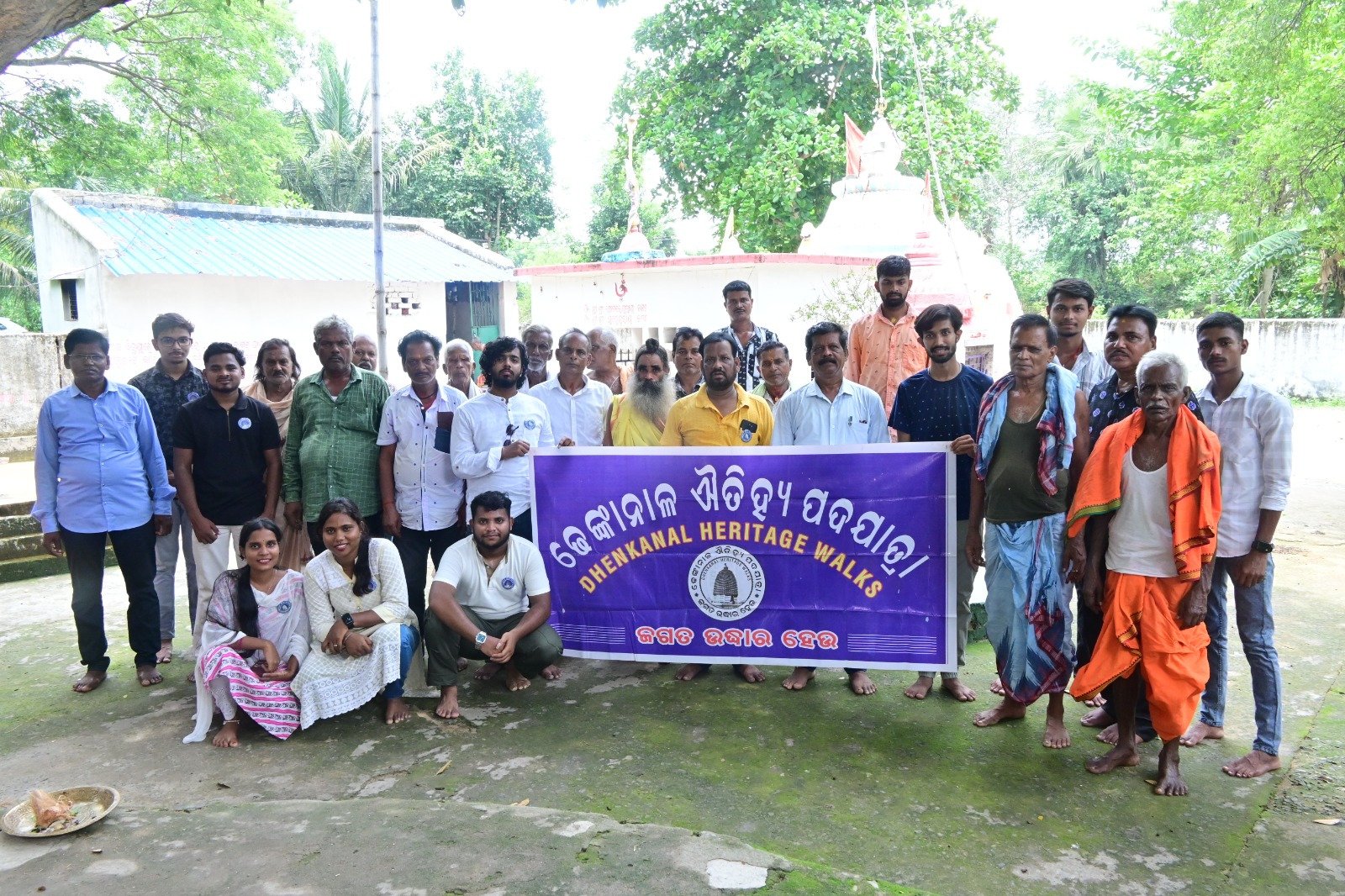
Bhubaneswar, June 22: The rich religious, cultural and historical heritage of the Brahmani river valley came alive during the 38th edition of the Dhenkanal Heritage Walks (DHW), which was held at the historic Sogaeshwar Shaiva Peetha in Sogar village under Kamakhyanagar subdivision.
The heritage walk brought together history enthusiasts, students and local residents for an engaging session on the evolution of the Brahmani river valley, the development of early temple architecture, and the region’s role as a significant religious and cultural corridor during the 9th and 10th centuries AD.
Located on the banks of the Brahmani River, Sogaeshwar Shaiva Peetha is dedicated to Swayambhu Sogaeshwar Mahadev and is believed to be one of the region’s lesser-known ancient Shiva shrines. Historical accounts and architectural features suggest that the temple may date back to the early medieval period when several Shaiva shrines flourished across the Brahmani valley under the influence of the Bhaumakara rulers and subsequent dynasties.
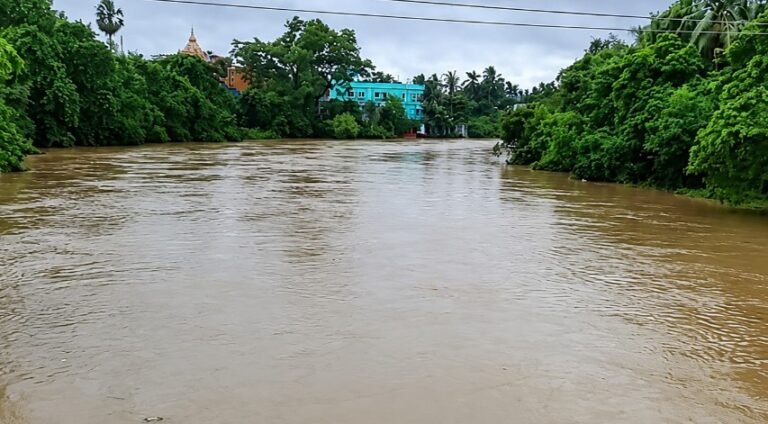
According to local elders, repeated flooding of the Brahmani River over centuries has buried parts of the original structure beneath layers of sand and soil. Villagers later reconstructed portions of the temple to protect its ancient stone core. The shrine houses several significant sculptural remains, including a broken image of Mahishamardini, a four-foot-high Ganesha idol and a rare Chaturmukha Brahma image, indicating the existence of a larger religious complex in the past.
One of the temple’s most unique features is the worship of two self-manifested Shiva lingams—Sogaeshwar and Swapneshwar—within a single sanctum, a rare tradition that adds to its spiritual importance.
Participants also visited the nearby 150-year-old Mahima Matha, where villagers shared local legends and oral traditions. The walk was coordinated by DHW convenor Suresh Prasad Mishra, with participation from founder members, students and heritage enthusiasts. Organisers said the heritage-walk movement is expanding across Odisha, with several districts preparing to launch similar initiatives to promote local history and conservation.
About the Author